

🌿 Wetlands: More than just Swamps
Have always enjoyed Mossy Earth's Videos on restoration and their recent videos have lead me to gain a new appreciation for wetlands, especially hailing from Malaysia with our famous Mangrove wetlands. 🌳
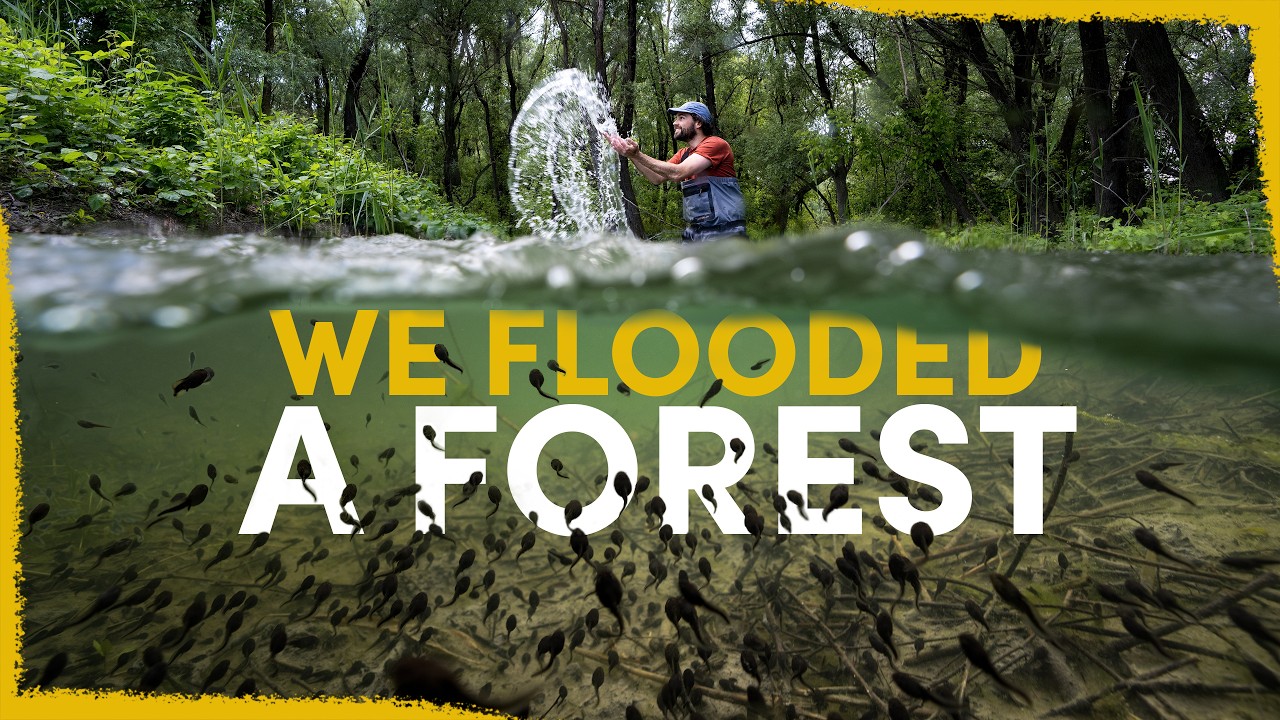
In one project, they deliberately flooded a forest in Slovakia and returned several years later to see how the ecosystem had changed. In another, they cut down trees and introduced these woody debris into the streams to encourage wetland formation and complexity in streams.
Four years ago we flooded a forest - the results are insane
Flooding the Forests 🌊
Historically, many wetlands across Europe were drained to make land available for agriculture, forestry and development. Now one approach to reversing this damage is hydrological restoration (rewetting), where they dug channels to certain areas of the forest to reintroduce natural seasonal flooding. This allows water to spread into areas that were previously drained or disconnected from the surrounding river system.
The result? A forest transformed into a seasonal wetland, with aquatic vegetation, amphibians, insects and other wildlife gradually returning. There is scientific evidence supporting this approach. A 2022 meta-analysis found that wetland restoration increased groundwater levels by an average of approximately 22 cm near restoration interventions.
🚧 However, rewetting does not necessarily mean that an ecosystem will return to its original state. A 2021 study published in Nature Communications, comparing hundreds of rewetted and near-natural fen peatlands, found that biodiversity and ecosystem functioning can remain different even decades after restoration. 🛠️
We chainsawed trees into rivers - the results are in
🌱 Introducing wood debris onto streams as a way of revitalising streams?
The second Mossy Earth project demonstrates another fascinating technique known as Large Woody Debris (LWD) restoration. Many streams have historically been cleared of woody debris to facilitate navigation, timber extraction and water management.
So what does a fallen tree actually do in a river?
Creates pools: Logs obstruct water flow, producing deeper pools and variations in water velocity.
Retains sediment: Woody structures trap sediment and organic material, creating habitats for aquatic organisms.
Provides shelter: Fish and other aquatic organisms can use the structures as refuges from strong currents and predators.
Supports biodiversity: The additional habitat complexity creates different microhabitats for aquatic insects, macroinvertebrates and fish. 🐟
A 2021 field study demonstrated improvements in macroinvertebrate community structure and ecological functioning following the introduction of large woody material into a headwater stream.
 16:441YouTube · Mossy Earth16:44 · 3049K views
 15:504YouTube · Mossy Earth15:50 · 898K views
 5WWiley Online LibraryBy Ahmed Al-Zankana, Tom Matheson, David Harper