
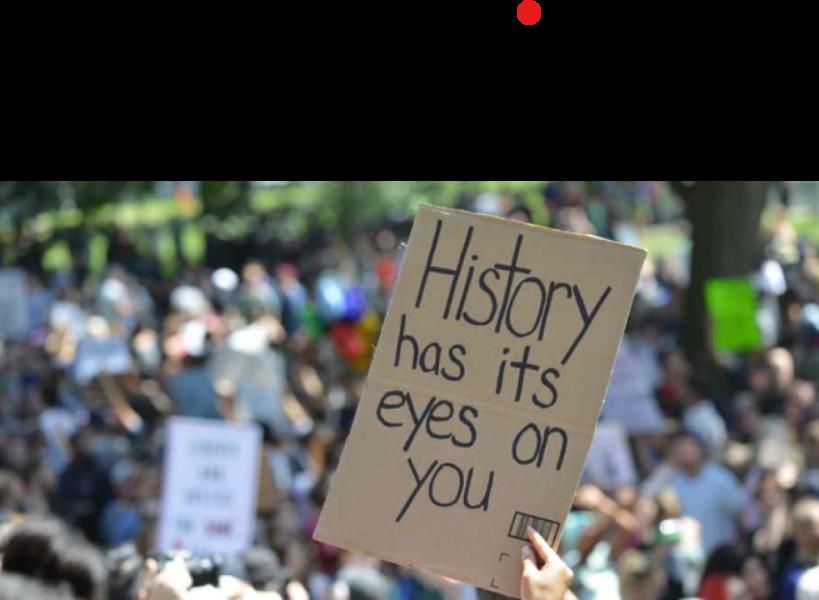



It basically explains how protests have historically played a big role in driving political and social change. For example, the 1963 March on Washington—where over 250,000 people showed up—helped lead to major legislation like the Civil Rights Act and the Voting Rights Act. So, protests aren’t just symbolic; they’ve actually pushed forward real policy changes.
More recently, the article highlights the Black Lives Matter protests in 2020 after George Floyd’s death. Those demonstrations sparked national conversations and even led to some concrete reforms—like changes in policing policies and companies making serious commitments to racial equity.
One of the key takeaways is that protests are most effective when they’re well-organized, have clear goals, and are tied to things like voter mobilization. It’s not just about making noise—it’s about creating pressure that leads to long-term change.
It also points out that the political response to protests often depends on which party is in power at different levels of government, which adds another layer to how protests influence policy.
Overall, the article makes a strong case that protests, when done strategically, can be a powerful tool for change in the U.S.